
Valve bags are a popular packaging solution across various industries due to their convenience, efficiency, and ability to maintain product integrity. As a valve bag supplier, I often encounter questions from customers about the resistance of valve bags to chemicals. Understanding this aspect is crucial as it directly impacts the suitability of valve bags for different chemical products.
Chemical Resistance Mechanisms in Valve Bags
Valve bags are typically made from materials such as polypropylene (PP) or polyethylene (PE). These polymers have inherent chemical resistance properties, which are determined by their molecular structure. Polypropylene, for example, is a non - polar polymer with a high degree of crystallinity. This structure makes it resistant to many non - polar solvents and weak acids and bases. The long hydrocarbon chains in polypropylene provide a physical barrier that prevents the penetration of chemical molecules.
When a chemical comes into contact with a valve bag, several factors influence the bag's resistance. The concentration of the chemical is a significant factor. Higher concentrations of chemicals are more likely to cause degradation of the bag material. For instance, a low - concentration acid solution may not have a significant impact on a polypropylene valve bag, but a highly concentrated acid can react with the polymer chains, leading to chain scission and a loss of mechanical properties.
The temperature also plays a crucial role. Elevated temperatures can accelerate chemical reactions and increase the mobility of chemical molecules. At higher temperatures, chemicals are more likely to diffuse through the polymer matrix of the valve bag. For example, if a valve bag filled with a heat - sensitive chemical is stored in a hot environment, the chemical may start to react with the bag material more rapidly.
Resistance to Different Types of Chemicals
Acids
Valve bags made from polypropylene generally have good resistance to weak acids such as acetic acid and citric acid. These acids are commonly found in food and beverage products. Polypropylene's non - polar nature prevents the acid molecules from easily interacting with the polymer chains. However, strong acids like sulfuric acid and hydrochloric acid can pose a challenge. Concentrated sulfuric acid is a powerful oxidizing agent that can break down the polymer chains of polypropylene over time.
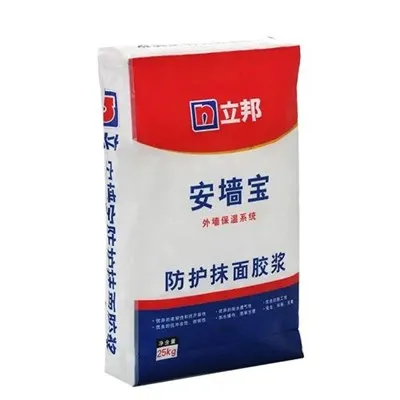
In the case of Wall Putty Valve Bag, which may come into contact with mild acidic substances during the wall putty manufacturing or storage process, polypropylene valve bags can provide adequate protection. The bag's structure can prevent the acid from seeping out and causing damage to the surrounding environment.
Bases
Polypropylene valve bags also show some resistance to weak bases. Sodium bicarbonate, a common weak base used in many industries, has little effect on polypropylene. However, strong bases such as sodium hydroxide can react with polypropylene under certain conditions. High - concentration sodium hydroxide solutions can cause saponification - like reactions with the polymer, leading to a change in the bag's physical properties.
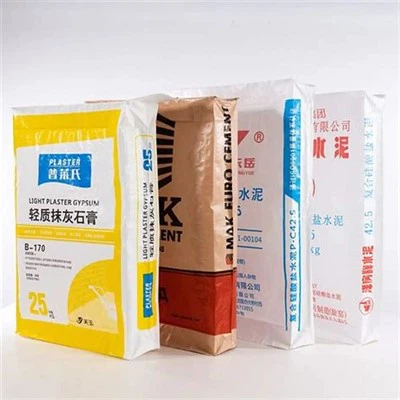
For Cement Valve Bag, cement is alkaline in nature. Polypropylene valve bags can withstand the mild alkalinity of cement during storage and transportation. The bag's resistance to the cement's alkaline components helps to maintain the integrity of the cement and prevents any chemical reactions that could affect the quality of the cement.
Organic Solvents
The resistance of valve bags to organic solvents depends on the type of solvent. Non - polar organic solvents like hexane and toluene can have a swelling effect on polypropylene. The non - polar nature of these solvents allows them to penetrate the polymer matrix and cause the chains to separate, leading to an increase in the bag's volume and a decrease in its mechanical strength.
On the other hand, polar organic solvents such as ethanol and acetone have a different interaction with polypropylene. Ethanol, for example, has limited solubility in polypropylene, and the bag can resist its penetration to a certain extent. Fertilizer Valve Bag may come into contact with various organic solvents during the fertilizer manufacturing process. Understanding the bag's resistance to these solvents is essential to ensure the quality and safety of the fertilizer.
Testing the Chemical Resistance of Valve Bags
To accurately determine the chemical resistance of valve bags, various testing methods are employed. One common method is the immersion test. In this test, samples of the valve bag material are immersed in a specific chemical solution for a predetermined period. The samples are then removed, and their physical and mechanical properties are measured. Changes in weight, thickness, tensile strength, and elongation at break are analyzed to assess the degree of chemical attack.
Another method is the exposure test. In this test, the valve bags are exposed to the chemical environment under real - world or simulated conditions. The bags are monitored over time for any signs of degradation, such as discoloration, cracking, or loss of seal integrity. These tests provide valuable information about how the valve bags will perform in actual use.
Importance of Chemical Resistance in Different Industries
Construction Industry
In the construction industry, Cement Valve Bag is widely used. Cement is a hygroscopic material that can react with moisture and carbon dioxide in the air. The chemical resistance of the valve bag is crucial to prevent any chemical reactions between the cement and the environment. A valve bag with good chemical resistance can protect the cement from moisture ingress, which can cause the cement to harden prematurely and lose its effectiveness.
Agriculture Industry
The Fertilizer Valve Bag is an important part of the agriculture industry. Fertilizers often contain various chemicals, including nitrogen, phosphorus, and potassium compounds. These chemicals can be corrosive or reactive. A valve bag with high chemical resistance can prevent the fertilizer from leaking and contaminating the environment. It also ensures that the fertilizer retains its chemical composition during storage and transportation.
Food and Beverage Industry
In the food and beverage industry, Wall Putty Valve Bag - like valve bags are used for packaging various products. These products may contain acids, bases, or other chemicals. The valve bags must have good chemical resistance to prevent any chemical migration from the bag to the food or beverage. This is essential for maintaining the safety and quality of the products.
Conclusion
The resistance of valve bags to chemicals is a complex topic that depends on various factors such as the type of chemical, its concentration, temperature, and the material of the valve bag. As a valve bag supplier, I understand the importance of providing valve bags with appropriate chemical resistance for different industries.
If you are in need of valve bags for your chemical products, it is essential to consider the chemical properties of your products and the storage and transportation conditions. Our team of experts can help you select the most suitable valve bags based on your specific requirements. Whether you need Wall Putty Valve Bag, Cement Valve Bag, or Fertilizer Valve Bag, we are here to assist you. Contact us today to discuss your valve bag needs and start a procurement negotiation.


References
- “Polymer Chemistry: An Introduction” by Malcolm P. Stevens.
- “Handbook of Chemical Resistance” by Carl A. Harper.
- Industry research reports on valve bag applications in different industries.