
Hey there! I'm a supplier of Cement Valve Bags, and today I wanna chat about a super important question: Do cement valve bags prevent cement from leaking?
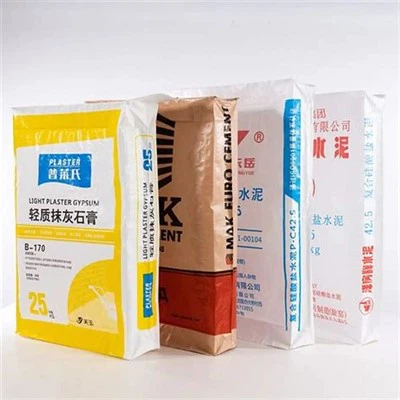
Let's start with what cement valve bags are. These bags are specifically designed for packaging cement. They've got a unique valve design, which is a small opening on the bag. When it comes to filling, cement can be pumped in through this valve efficiently. It's like a one - way street for the cement to get in.
Now, let's dig into how they prevent leakage. First off, the material. Most cement valve bags are made from high - quality polypropylene (PP). PP is a tough and durable plastic. It can withstand the weight and pressure of the cement inside. The fabric of the bag is woven tightly, creating a strong barrier. Imagine it as a well - built fence that keeps the cement from sneaking out.
Another key factor is the valve itself. Once the cement is pumped into the bag through the valve, the valve closes automatically. It's like a little door that shuts behind the cement. This prevents any back - flow or leakage from the filling point. The design of the valve is engineered to be air - tight and dust - tight as well. This means not only does it stop the cement from leaking out in solid form, but it also keeps the fine dust from escaping. And as we all know, cement dust can be a real nuisance, not to mention a health hazard.
But it's not just about the basic design. There are also different types of cement valve bags that offer enhanced leakage prevention. For example, the BOPP Valve Bag. BOPP stands for Biaxially Oriented Polypropylene. This type of bag has an extra layer of protection. The BOPP film on the bag makes it more resistant to moisture and punctures. Moisture can cause the cement to clump and potentially break through the bag, but the BOPP layer acts as a shield.
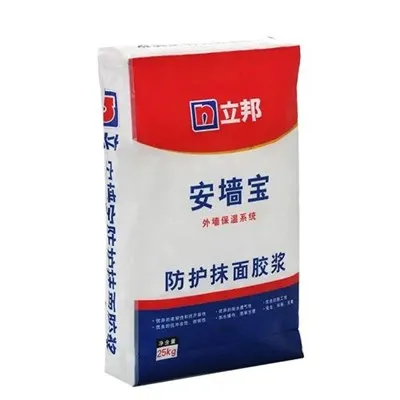
Then there's the Wall Putty Valve Bag. Wall putty is similar to cement in some ways, and these bags are designed to handle it without leakage. They have a special coating that makes them even more impermeable. This coating fills in any tiny gaps in the fabric, ensuring that not even the smallest particle of wall putty can escape.
Of course, the Cement Valve Bag itself has gone through a lot of improvements over the years. Manufacturers are constantly looking for ways to make them better at preventing leakage. Newer models have stronger seams. The seams are where the bag is stitched or glued together, and if they're weak, it can lead to leakage. Modern cement valve bags use advanced stitching techniques and high - quality adhesives to make sure the seams hold up under pressure.
But it's not just the bag's design that matters. Proper handling and storage also play a big role. If the bags are mishandled during transportation, like being dropped or crushed, it can damage the bag and cause leakage. So, it's important to use proper handling equipment and follow the right procedures. When it comes to storage, keeping the bags in a dry and cool place is crucial. Moisture can weaken the bag material and make it more prone to leakage.
Let's talk about some real - world scenarios. In construction sites, you often see stacks of cement bags. If these were regular bags, there would be a high risk of cement spilling all over the place. But with cement valve bags, the chances of leakage are significantly reduced. This not only keeps the work area clean but also saves money. No more wasted cement due to leakage means more profit for the construction companies.
In the shipping industry, cement valve bags are a game - changer. When cement is transported overseas, it has to endure long - term storage and rough handling. The valve bags' ability to prevent leakage ensures that the cement arrives at its destination in good condition. This is especially important when dealing with large quantities of cement.
Now, I know some of you might be thinking, "Well, no bag is perfect. There must be some situations where they leak." And you're right. In extreme cases, like a very sharp object puncturing the bag or if the bag is exposed to extremely high humidity for a long time, there could be some leakage. But compared to other types of bags, the rate of leakage with cement valve bags is incredibly low.
If you're in the business of dealing with cement or similar materials, you need a reliable packaging solution. Cement valve bags are the way to go. They offer great protection against leakage, which saves you time, money, and hassle. Whether you're a construction company, a cement manufacturer, or a distributor, these bags can make your life a whole lot easier.


So, if you're interested in learning more about our Cement Valve Bags or if you're looking to place an order, don't hesitate to reach out. We're here to help you find the best packaging solution for your needs. Just drop us a message, and we'll get back to you as soon as possible.
References
- Industry reports on cement packaging
- Studies on the performance of polypropylene bags in preventing material leakage