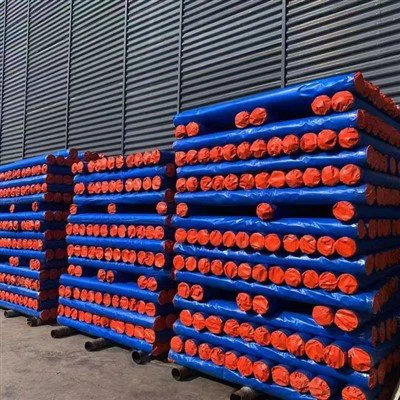

Hey there! As a supplier of tarpaulin rolls, I often get asked about the puncture resistance of these products. It's a crucial factor, especially when you're using tarps for various heavy - duty applications. So, let's dive right into what puncture resistance means for a tarpaulin roll.
Understanding Puncture Resistance
Puncture resistance refers to a tarpaulin's ability to withstand the force of a sharp object trying to penetrate it. Think about it like this: when you're using a tarpaulin to cover construction materials, protect your outdoor furniture, or even use it as a ground sheet for a tent, there's always a risk of something sharp, like a nail, a twig, or a rock, coming into contact with it. If the tarpaulin doesn't have good puncture resistance, it'll easily get holes, and that defeats the whole purpose of using it.
Factors Affecting Puncture Resistance
Material
The material of the tarpaulin plays a huge role in its puncture resistance. For example, our PE TARPAULIN ROLL is made of polyethylene. Polyethylene is a tough and durable plastic. It has a certain degree of flexibility which allows it to absorb the impact of a sharp object without immediately tearing. When a sharp object presses against a PE tarpaulin, the material can stretch a bit, redistributing the force over a larger area. This reduces the chance of the object puncturing through.
On the other hand, some cheaper tarpaulins made from thin, low - quality plastics have very poor puncture resistance. These materials are brittle and can't handle any kind of sharp impact. They'll tear at the slightest touch of a sharp edge.


Thickness
Thickness is another key factor. Generally speaking, the thicker the tarpaulin, the better its puncture resistance. A thicker tarpaulin has more material to absorb the force of a sharp object. Our Heavy Duty Tarpaulin Roll is designed to be extra thick. This added thickness gives it the strength to resist punctures from heavy - duty use. Whether it's being used on a construction site where there are lots of sharp tools and debris, or in an agricultural setting with thorns and rough branches, the extra thickness provides an extra layer of protection.
Weave and Reinforcement
The way the tarpaulin is woven also affects its puncture resistance. A tightly woven tarpaulin is more resistant to punctures than a loosely woven one. In a tightly woven tarpaulin, the fibers are closely packed together. When a sharp object tries to penetrate, it has to push through multiple layers of fibers, which makes it much more difficult.
Some of our tarpaulin rolls are also reinforced. For instance, the edges or the corners might be reinforced with stronger materials or additional stitching. This reinforcement helps to prevent punctures from starting at the vulnerable points. Our Tent Tarpaulin Roll often has reinforced corners. When you're setting up a tent, the corners are more likely to come into contact with sharp rocks or sticks. The reinforcement at these points ensures that the tarpaulin doesn't get punctured easily.
Testing Puncture Resistance
So, how do we know if a tarpaulin has good puncture resistance? There are several industry - standard tests. One common test involves using a sharp probe to apply a controlled force to the tarpaulin. The force is gradually increased until the probe punctures the tarpaulin. The amount of force required to puncture the tarpaulin is then measured. This gives us a quantitative measure of the tarpaulin's puncture resistance.
We also do real - world testing. We use our tarpaulins in different scenarios, just like our customers would. We expose them to sharp objects, rough surfaces, and various environmental conditions. By doing this, we can see how well they hold up in actual use. This hands - on approach helps us make sure that our tarpaulins meet the high standards we set for puncture resistance.
Importance of Puncture Resistance in Different Applications
Construction
In the construction industry, tarpaulins are used to cover building materials, equipment, and even as temporary shelters. There are all sorts of sharp objects on a construction site, like nails, screws, and broken pieces of metal. If the tarpaulin doesn't have good puncture resistance, it'll quickly get holes. These holes can let in rain, dirt, and debris, which can damage the materials being covered. A puncture - resistant tarpaulin like our heavy - duty ones ensures that the construction materials stay protected throughout the building process.
Agriculture
Farmers use tarpaulins for a variety of purposes, such as covering hay bales, protecting crops from the elements, and lining ponds. In the agricultural environment, there are thorns, branches, and sharp - edged tools. A tarpaulin with poor puncture resistance won't last long. It'll get torn easily, and the farmer will have to keep replacing it. Our puncture - resistant tarpaulins can withstand the rough conditions on the farm, providing long - term protection for agricultural assets.
Camping and Outdoor Activities
When you're camping, your tent tarpaulin is your first line of defense against the elements. A punctured tarpaulin can let in rain, wind, and insects. Our Tent Tarpaulin Roll is designed with high puncture resistance to ensure a dry and comfortable camping experience. Whether you're setting up your tent on a rocky ground or in a wooded area, the tarpaulin can handle the potential hazards without getting punctured.
Conclusion
Puncture resistance is a vital characteristic of a tarpaulin roll. It depends on factors like the material, thickness, weave, and reinforcement. By understanding these factors, you can choose the right tarpaulin for your specific needs. Whether you're in the construction industry, agriculture, or just love outdoor activities, a puncture - resistant tarpaulin will save you time and money in the long run.
If you're interested in our high - quality tarpaulin rolls with excellent puncture resistance, feel free to reach out for more information and to start a procurement discussion. We're always here to help you find the perfect tarpaulin solution for your requirements.
References
- ASTM International standards for tarpaulin testing.
- Industry reports on tarpaulin performance and durability.