
As a dedicated bulk bag supplier, I understand the critical importance of proper storage for these essential industrial containers. Bulk bags, also known as FIBCs (Flexible Intermediate Bulk Containers), are used to store and transport a wide range of materials, from agricultural products and chemicals to construction materials. The way you store multiple bulk bags can significantly impact their longevity, the quality of the stored materials, and overall operational efficiency. In this blog, I'll share the best practices for storing multiple bulk bags based on my years of experience in the industry.
1. Consider the Storage Environment
The first step in determining the best way to store multiple bulk bags is to assess the storage environment. Different materials and bag types have specific environmental requirements.
Temperature and Humidity
Most bulk bags are made of polyethylene or polypropylene materials, which can be affected by extreme temperature and humidity conditions. High temperatures can cause the materials to become brittle, while excessive humidity can lead to mold growth and degradation of the bag's strength.
- For bags storing moisture - sensitive materials, it's best to store them in a climate - controlled environment. The ideal temperature range is between 10°C and 30°C, with a relative humidity of less than 60%.
- If you're storing bulk bags in a warehouse without climate control, try to ensure proper ventilation. Install fans or vents to keep the air flowing and prevent the buildup of moisture.
Protection from Sunlight
Prolonged exposure to sunlight can cause the UV radiation to break down the polymers in the bulk bags, weakening their structure. Store bulk bags in a shaded area, either indoors or under a covered outdoor storage facility. If outdoor storage is unavoidable, use UV - resistant covers to protect the bags.
2. Organize Bulk Bags by Type and Content
To streamline inventory management and ensure easy access, it's crucial to organize bulk bags by type and the materials they contain.
Categorize by Bag Type
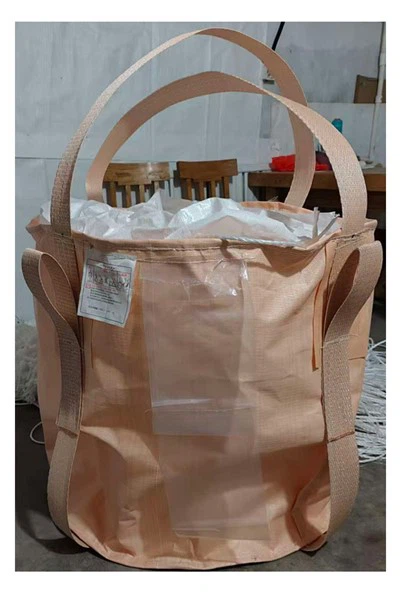
We offer a variety of bulk bags, such as The Circular Seamless Jumbo Bag, Super Sack, and Dustproof Bulk Bag. Each type has its own unique design and features, which may affect how they should be stored.
- Circular seamless jumbo bags are stronger and more flexible, making them suitable for heavy - duty applications. They can be stacked higher compared to some other bag types.
- Super sacks are often used for a wide range of general - purpose applications. They should be stored in a way that allows for easy identification and retrieval.
- Dustproof bulk bags are designed to prevent dust leakage. Store them in a clean environment to maintain their dust - proof properties.
Separate by Content
Separate bulk bags based on the materials they hold. For example, keep bags containing chemicals away from those storing food products. This not only prevents cross - contamination but also allows for better handling in case of any safety or regulatory requirements.
3. Stacking and Palletizing Techniques
Proper stacking and palletizing are essential for maximizing storage space and ensuring the stability of bulk bags.
Pallet Selection
Choose the right pallets for your bulk bags. The pallets should be strong enough to support the weight of the bags and the load they will bear when stacked. Wood pallets are commonly used, but plastic or metal pallets can also be a good option, especially in environments where hygiene or durability is a concern.
- Make sure the pallets are in good condition. Damaged pallets can cause the bags to shift or collapse during stacking.
Stacking Rules
- Stack bulk bags evenly on the pallets to distribute the weight symmetrically. This helps prevent the bags from tipping over and reduces the risk of damage.
- Avoid over - stacking. The maximum stacking height depends on the bag's design, the weight of the contents, and the strength of the pallets. As a general rule, limit the stack height to 3 - 4 bags high, or follow the manufacturer's recommendations.
- If possible, use interlocking pallets or stack nets to secure the stack and add an extra layer of stability.
4. Safety Considerations
Safety should always be a top priority when storing multiple bulk bags.


Fire Safety
Many bulk bag materials are flammable. Ensure that the storage area is equipped with proper fire - prevention measures, such as fire extinguishers, sprinkler systems, and clear fire exits. Keep the storage area clean and free of debris that could potentially fuel a fire.
Load Capacity
Be aware of the load - bearing capacity of the storage racks, floors, and other structures in the storage area. Overloading can lead to structural failures and accidents. Regularly inspect these structures to ensure they are in good condition.
Handling Equipment
Use appropriate handling equipment, such as forklifts, pallet jacks, or cranes, when moving and stacking bulk bags. Make sure the operators are properly trained and follow all safety procedures to prevent injuries and damage to the bags.
5. Inventory Management
Effective inventory management is crucial for optimizing storage space and ensuring timely replenishment of bulk bags.
First - In, First - Out (FIFO)
Implement the FIFO principle, which means using the oldest stock first. This helps prevent the bags from sitting in storage for too long, reducing the risk of degradation and expiration of the stored materials.
Inventory Tracking System
Use an inventory tracking system, whether it's a simple spreadsheet or a more sophisticated software solution, to keep track of the quantity, location, and expiration dates of your bulk bags. This allows for better control of inventory levels and easier identification of any issues, such as missing or damaged bags.
Contact Us for Your Bulk Bag Needs
If you're looking for high - quality bulk bags and need further advice on storage or other aspects, we're here to help. Our team of experts can provide you with customized solutions based on your specific requirements. Whether you need a small quantity for a trial project or large - scale bulk orders, we have the products and knowledge to meet your needs. Don't hesitate to reach out to us to start a discussion about your bulk bag procurement.
References
- ASTM International. (20xx). Standard specifications for flexible intermediate bulk containers (FIBCs).
- The International Safety Group for Bulk Bags. (20xx). Best practices for bulk bag storage and handling.
- Institute of Industrial and Systems Engineers. (20xx). Guidelines for efficient warehouse storage design.