
Hey there! If you're in the packaging industry or just curious about different types of bags, you might've heard of liner bags. So, what exactly is a liner bag? Well, let me break it down for you.
A liner bag is a type of bag that's used inside another container or packaging. It serves a bunch of important functions, making it a crucial part of many industries. The most common materials used to make liner bags are polyethylene (PE), aluminum, and other plastics. These materials give liner bags their unique properties, like being waterproof, resistant to chemicals, and able to keep the contents fresh.
Types of Liner Bags
Bottle Neck PE Liner Bag
One popular type is the Bottle Neck PE Liner Bag. This kind of liner bag has a narrow opening, similar to a bottle neck. It's great for products that need to be poured out carefully or for applications where you want to control the flow of the contents. For example, in the food industry, it can be used to store and dispense things like powdered spices or granular ingredients. The PE material makes it flexible and durable, so it can withstand the weight of the product inside without tearing easily.
Aluminum Liner Bag
Another type is the Aluminum Liner Bag. Aluminum is known for its excellent barrier properties. It can block out light, oxygen, and moisture, which is super important for products that are sensitive to these elements. Think about things like coffee beans or certain types of medications. The aluminum liner bag helps to preserve their freshness and quality for a longer time. It also provides some protection against physical damage, as the aluminum layer adds a bit of strength to the bag.
Baffle PE Liner
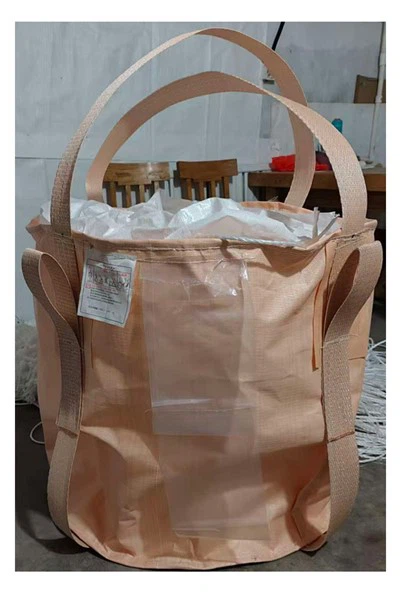
The Baffle PE Liner is also quite interesting. Baffles are like internal partitions in the liner bag. They help to keep the bag's shape and prevent the contents from shifting around too much. This is especially useful for large bags or bags that are filled with irregularly shaped products. In the shipping and logistics industry, baffle PE liners are often used in FIBCs (Flexible Intermediate Bulk Containers) to make sure that the products inside are stable during transportation.


Advantages of Using Liner Bags
There are several advantages to using liner bags. First of all, they provide an extra layer of protection for the products. Whether it's protecting against moisture, chemicals, or physical damage, liner bags can extend the shelf life of the product and keep it in good condition.
Secondly, liner bags are very versatile. They can be customized to fit different container sizes and shapes. You can get them in various thicknesses, colors, and with different features like zippers or spouts. This means that they can be tailored to meet the specific needs of different industries and products.
Another advantage is that liner bags are relatively cost - effective. Compared to some other types of packaging solutions, they are often cheaper to produce and use. They also take up less space, which can save on storage and transportation costs.
Applications of Liner Bags
Liner bags are used in a wide range of industries. In the food industry, they are used to store and transport everything from grains and cereals to snacks and frozen foods. The ability to keep the food fresh and free from contaminants is crucial in this industry.
The pharmaceutical industry also relies heavily on liner bags. They are used to package medications, vitamins, and other healthcare products. The barrier properties of liner bags help to protect the drugs from environmental factors that could affect their efficacy.
In the chemical industry, liner bags are used to store and transport various chemicals, including powders, granules, and liquids. The chemical - resistant materials used in liner bags ensure that the chemicals are safely contained and don't react with the outer container.
Our Role as a Liner Bag Supplier
As a liner bag supplier, we understand the importance of providing high - quality products. We have a team of experts who are constantly working on improving our liner bags. We use the latest manufacturing techniques and the best materials to ensure that our bags meet the highest standards.
We offer a wide range of liner bags, including the ones I mentioned earlier. Whether you need a small, customized liner bag for a special product or a large quantity of standard bags for your business, we can help. Our customer service team is always ready to answer your questions and provide you with the best solutions.
We also understand that every customer has different needs. That's why we offer flexible ordering options. You can order in small quantities for testing purposes or in large bulk orders for your regular business needs. We can also provide samples so that you can see and test the quality of our liner bags before making a big commitment.
Why Choose Us?
There are several reasons why you should choose us as your liner bag supplier. First of all, our quality is top - notch. We have strict quality control measures in place at every stage of the manufacturing process. From the selection of raw materials to the final inspection of the finished products, we make sure that everything meets our high standards.
Secondly, we are very customer - oriented. We believe in building long - term relationships with our customers. We listen to your needs and work with you to find the best solutions. Our prices are also competitive, so you can get high - quality liner bags at a reasonable cost.
Finally, we are committed to sustainability. We use eco - friendly materials whenever possible and try to minimize our environmental impact. We know that more and more businesses are looking for sustainable packaging solutions, and we are here to help you meet those goals.
Contact Us for Procurement
If you're interested in our liner bags or have any questions about our products, don't hesitate to reach out. We're eager to start a conversation with you and help you find the perfect liner bag for your needs. Whether you're in the food, pharmaceutical, chemical, or any other industry, we have the expertise and the products to serve you.
References
- Packaging Industry Reports
- Material Science Journals
- Industry Best Practices Guides