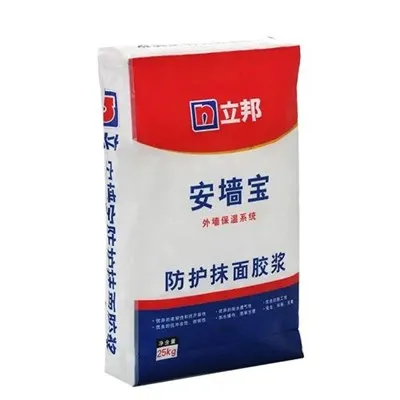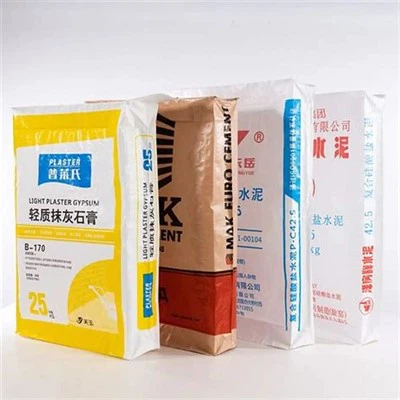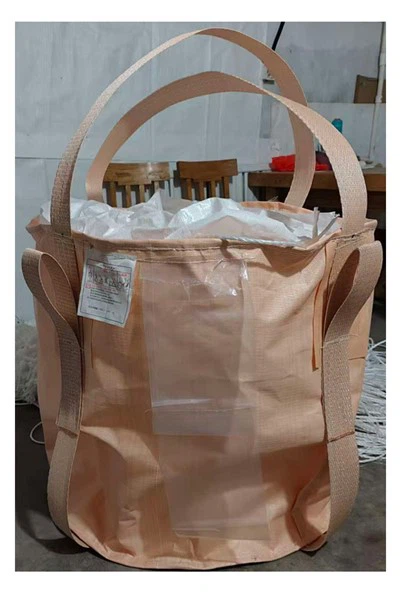

Labeling baffle jumbo bags is a crucial step for easy identification, inventory management, and safety in various industries. As a baffle jumbo bag supplier, I understand the significance of proper labeling and its impact on the overall efficiency of the supply chain. In this blog post, I will share some practical tips on how to label baffle jumbo bags effectively.
Understanding the Purpose of Labeling
Before diving into the labeling process, it's essential to understand the purpose behind it. Labels on baffle jumbo bags serve multiple functions, including:
- Identification: Clearly identifying the contents of the bag, such as the type of product, quantity, and batch number.
- Safety Information: Providing important safety instructions, handling precautions, and hazard warnings.
- Inventory Management: Facilitating inventory tracking, stock rotation, and order fulfillment.
- Regulatory Compliance: Meeting industry standards and regulatory requirements for labeling.
Choosing the Right Labeling Materials
The choice of labeling materials depends on several factors, including the environment in which the bags will be used, the durability required, and the type of information to be printed. Here are some common labeling materials used for baffle jumbo bags:
- Adhesive Labels: These are the most commonly used labels and are available in various sizes, shapes, and materials. Adhesive labels can be printed with high-quality graphics and text and are suitable for both indoor and outdoor use.
- Heat Transfer Labels: Heat transfer labels are applied to the bag using heat and pressure, resulting in a permanent and durable label. These labels are resistant to abrasion, moisture, and chemicals, making them ideal for harsh environments.
- Printed Directly on the Bag: In some cases, it may be more cost-effective and practical to print the labels directly on the bag using a printing method such as screen printing or digital printing. This method provides a seamless and professional look and is suitable for large quantities of bags.
Designing Effective Labels
The design of the label plays a crucial role in its effectiveness. A well-designed label should be clear, concise, and easy to read from a distance. Here are some tips for designing effective labels for baffle jumbo bags:
- Use Clear and Legible Fonts: Choose fonts that are easy to read, even from a distance. Avoid using fancy or decorative fonts that may be difficult to decipher.
- Include Essential Information: The label should include essential information such as the product name, quantity, batch number, expiration date (if applicable), and any safety warnings or handling instructions.
- Use High-Contrast Colors: Use high-contrast colors for the text and background to ensure maximum visibility. For example, black text on a white background or yellow text on a black background.
- Incorporate Graphics and Icons: Graphics and icons can help to convey information quickly and effectively. For example, a picture of a hazardous material or a handling instruction icon can make the label more visually appealing and easier to understand.
- Keep it Simple: Avoid cluttering the label with too much information. Keep the design simple and focused on the most important information.
Applying the Labels
Once the labels are designed and printed, it's time to apply them to the baffle jumbo bags. Here are some tips for applying labels effectively:
- Clean the Surface: Before applying the label, make sure the surface of the bag is clean and dry. Any dirt, dust, or moisture on the surface can prevent the label from adhering properly.
- Align the Label: Carefully align the label with the desired location on the bag. Use a ruler or a template to ensure accurate placement.
- Apply Pressure: Once the label is in place, apply firm pressure to ensure it adheres properly to the bag. Use a roller or a squeegee to smooth out any air bubbles or wrinkles.
- Allow Time to Cure: Depending on the type of label and the adhesive used, it may be necessary to allow the label to cure for a certain period of time before handling the bag. Follow the manufacturer's instructions for the recommended curing time.
Different Types of Baffle Jumbo Bags and Their Labeling Requirements
As a baffle jumbo bag supplier, we offer a wide range of baffle jumbo bags to meet the diverse needs of our customers. Here are some of the different types of baffle jumbo bags we offer and their specific labeling requirements:


Net Baffle Jumbo Bag
Net baffle jumbo bags are designed to provide maximum ventilation and allow for easy inspection of the contents. These bags are commonly used for storing and transporting agricultural products, such as grains, seeds, and fruits. When labeling net baffle jumbo bags, it's important to ensure that the label is visible through the netting. Consider using a label with a transparent or semi-transparent background or printing the label directly on the netting. Net Baffle Jumbo Bag
Customized Baffle Q Jumbo Bag
Customized baffle Q jumbo bags are designed to meet the specific requirements of our customers. These bags can be customized in terms of size, shape, color, and labeling. When labeling customized baffle Q jumbo bags, it's important to work closely with the customer to ensure that the label meets their specific needs and requirements. Customized Baffle Q Jumbo Bag
The 4 Loop Baffle Bag
The 4 loop baffle bag is a popular type of baffle jumbo bag that features four loops for easy lifting and handling. These bags are commonly used for storing and transporting heavy and bulky materials, such as sand, gravel, and cement. When labeling the 4 loop baffle bag, it's important to ensure that the label is placed in a location that is visible and not obstructed by the loops. Consider using a label with a large font size and high-contrast colors for maximum visibility. The 4 Loop Baffle Bag
Maintaining the Labels
Once the labels are applied to the baffle jumbo bags, it's important to maintain them to ensure their longevity and readability. Here are some tips for maintaining the labels:
- Avoid Exposure to Harsh Environments: Exposure to extreme temperatures, moisture, sunlight, and chemicals can damage the labels and make them unreadable. Store the bags in a cool, dry place and avoid exposing them to harsh environments.
- Inspect the Labels Regularly: Regularly inspect the labels for any signs of damage, such as peeling, fading, or tearing. Replace any damaged labels immediately to ensure that the information is still visible and accurate.
- Clean the Labels Properly: If the labels become dirty or soiled, clean them gently using a mild detergent and a soft cloth. Avoid using abrasive cleaners or scrubbing the labels too hard, as this can damage the label.
Conclusion
Labeling baffle jumbo bags for easy identification is an important step in ensuring the efficiency and safety of the supply chain. By choosing the right labeling materials, designing effective labels, applying them properly, and maintaining them regularly, you can ensure that your baffle jumbo bags are clearly identified and easy to manage. As a baffle jumbo bag supplier, we are committed to providing our customers with high-quality bags and labeling solutions that meet their specific needs and requirements. If you have any questions or need further information about labeling baffle jumbo bags, please feel free to contact us. We look forward to working with you to find the best labeling solution for your baffle jumbo bags.
References
- Packaging Machinery Manufacturers Institute (PMMI). (2023). Best Practices for Labeling in the Packaging Industry.
- International Safe Transit Association (ISTA). (2023). Labeling Guidelines for Shipping Containers.
- American Society for Testing and Materials (ASTM). (2023). Standard Practice for Labeling of Flexible Intermediate Bulk Containers (FIBCs).