
As a container bag supplier, I understand the critical importance of ensuring the quality of our products. Container bags, also known as flexible intermediate bulk containers (FIBCs), are widely used for transporting and storing a variety of bulk materials. From chemicals to food products, the integrity of these bags can significantly impact the safety and efficiency of the supply chain. In this blog post, I will share some key steps and considerations for inspecting the quality of a container bag.
1. Visual Inspection
The first step in inspecting a container bag is a thorough visual examination. This involves checking the overall appearance of the bag for any visible defects or irregularities.
Fabric Quality
The fabric is the foundation of the container bag, and its quality directly affects the bag's strength and durability. Look for any signs of damage, such as cuts, tears, or holes in the fabric. Check for uneven weaving or loose threads, which can weaken the bag's structure. The fabric should also be free from any discoloration or stains, as these may indicate contamination or improper storage.
Seams and Stitching
The seams and stitching of the container bag play a crucial role in its strength and integrity. Inspect the seams for any signs of fraying, unraveling, or poor stitching. The stitching should be uniform and tight, with no loose or broken threads. Pay special attention to the corners and edges of the bag, as these areas are more prone to stress and damage.
Handles and Loops
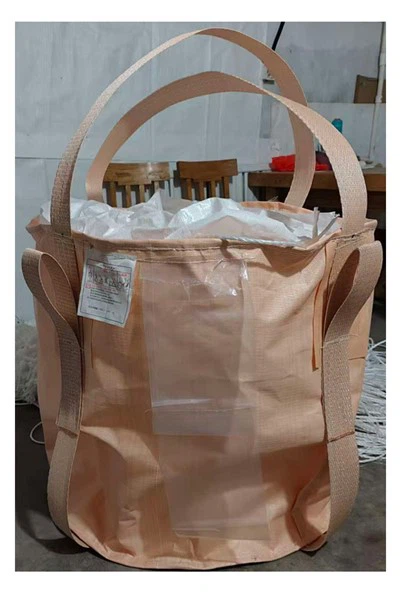
The handles and loops of the container bag are used for lifting and handling, so they must be strong and secure. Check the handles for any signs of wear, damage, or improper attachment. The loops should be evenly spaced and firmly attached to the bag. Make sure the handles and loops can withstand the weight of the bag when fully loaded.
Liners (if applicable)
Some container bags are equipped with liners to provide additional protection for the contents. If the bag has a liner, inspect it for any signs of damage or leaks. The liner should fit snugly inside the bag and be free from any holes or tears. Check the seams of the liner to ensure they are properly sealed.
2. Dimensional Inspection
In addition to the visual inspection, it is important to check the dimensions of the container bag to ensure it meets the required specifications.
Length, Width, and Height
Measure the length, width, and height of the container bag using a tape measure. Compare the measurements to the specified dimensions to ensure they are within the acceptable tolerance range. Any significant deviations from the specified dimensions can affect the bag's performance and compatibility with the intended application.
Volume
The volume of the container bag is an important consideration, especially when it comes to transporting and storing bulk materials. Calculate the volume of the bag based on its dimensions and compare it to the specified volume. Make sure the bag has enough capacity to hold the required amount of material.
Fill and Discharge Openings
Inspect the fill and discharge openings of the container bag to ensure they are the correct size and shape. The openings should be large enough to allow for easy filling and discharging of the material, but not so large that they compromise the bag's integrity. Check the closures of the openings, such as zippers, flaps, or drawstrings, to ensure they are functioning properly.
3. Strength and Performance Testing
To ensure the container bag can withstand the rigors of transportation and storage, it is necessary to conduct strength and performance testing.
Tensile Strength
Tensile strength is a measure of the bag's ability to resist pulling forces. It is typically measured by applying a gradually increasing load to a sample of the bag's fabric until it breaks. The tensile strength of the fabric should meet or exceed the specified requirements for the intended application.
Bursting Strength
Bursting strength is a measure of the bag's ability to withstand internal pressure. It is typically measured by applying a hydraulic pressure to a sample of the bag's fabric until it bursts. The bursting strength of the fabric should meet or exceed the specified requirements for the intended application.
Drop Test
The drop test is a common method for testing the bag's ability to withstand impact forces. A fully loaded container bag is dropped from a specified height onto a hard surface, and the bag is inspected for any signs of damage or failure. The drop test should be conducted multiple times to ensure the bag's reliability.
Stacking Test
The stacking test is used to evaluate the bag's ability to withstand the weight of other bags when stacked on top of each other. A stack of fully loaded container bags is placed on a flat surface, and the bags are inspected for any signs of deformation or collapse. The stacking test should be conducted for a specified period of time to ensure the bag's long-term stability.
4. Chemical and Environmental Resistance
Depending on the intended application, the container bag may need to be resistant to certain chemicals or environmental conditions.
Chemical Resistance
If the bag is intended for use with chemicals, it is important to test its chemical resistance. This can be done by exposing a sample of the bag's fabric to the chemicals and observing any changes in its appearance or properties. The bag should be able to withstand the chemicals without significant degradation or damage.
UV Resistance
If the bag is intended for outdoor use, it is important to test its UV resistance. This can be done by exposing a sample of the bag's fabric to ultraviolet light for a specified period of time and observing any changes in its color, strength, or flexibility. The bag should be able to withstand the UV radiation without significant degradation or damage.


Moisture Resistance
If the bag is intended for use in humid or wet environments, it is important to test its moisture resistance. This can be done by exposing a sample of the bag's fabric to water or moisture and observing any changes in its appearance or properties. The bag should be able to resist moisture without significant degradation or damage.
5. Compliance with Standards and Regulations
Finally, it is important to ensure the container bag complies with all relevant standards and regulations.
International Standards
There are several international standards that govern the design, manufacture, and testing of container bags, such as ISO 21898 and ASTM D3990. Make sure the bag meets the requirements of these standards to ensure its quality and safety.
Industry Regulations
In addition to the international standards, there may be specific industry regulations that apply to the use of container bags. For example, the food industry may have strict regulations regarding the use of containers for food products. Make sure the bag complies with all relevant industry regulations to avoid any legal issues or product recalls.
Customer Requirements
Finally, it is important to ensure the container bag meets the specific requirements of the customer. This may include additional testing, labeling, or packaging requirements. Make sure to communicate with the customer clearly and understand their needs to ensure the bag meets their expectations.
Conclusion
Inspecting the quality of a container bag is a critical process that requires attention to detail and a thorough understanding of the bag's design, construction, and performance requirements. By following the steps and considerations outlined in this blog post, you can ensure that the container bag you are using is of high quality and meets the required standards and regulations.
If you are in the market for high-quality container bags, we are a leading supplier of Asbestos Plate Bag, Wagon Liner, and Container Bulkhead. Our bags are designed and manufactured to meet the highest standards of quality and performance, and we offer a wide range of options to suit your specific needs. Contact us today to learn more about our products and services and to discuss your container bag requirements.
References
- ISO 21898:2004, Flexible intermediate bulk containers - General safety requirements and testing methods
- ASTM D3990-17, Standard Specification for Flexible Intermediate Bulk Containers (FIBCs)
- Food and Drug Administration (FDA) regulations regarding the use of containers for food products