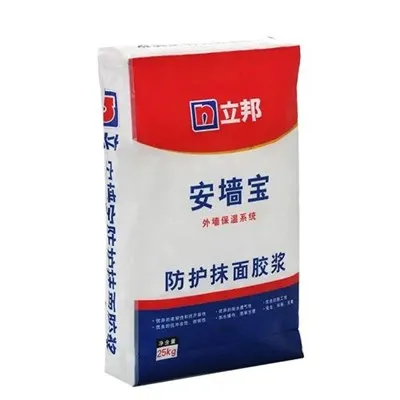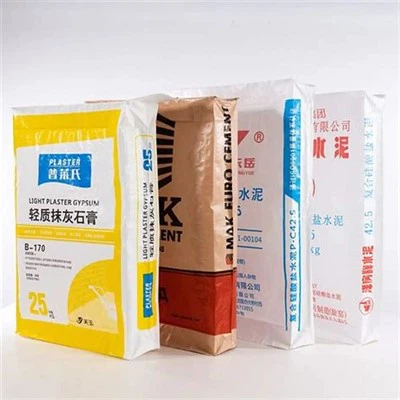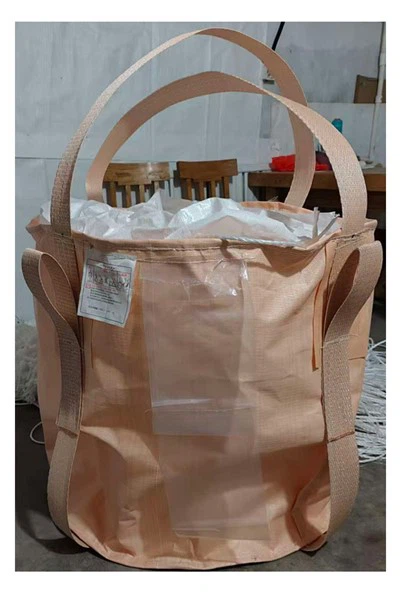

In the cement industry, cement valve bags serve as a crucial packaging solution, safeguarding the product during storage and transportation. However, the issue of damaged cement valve bags is an inevitable challenge that we as suppliers often encounter. As a cement valve bag supplier with years of experience, I understand the concerns and impacts associated with damaged bags. In this blog, I'll share some effective strategies to handle this problem to ensure the quality and efficiency of your cement packaging operations.
Understanding the Causes of Damaged Cement Valve Bags
Before we explore the solutions, it's essential to understand the root causes of bag damage. The most common causes include poor handling during loading and unloading, improper storage conditions, and the quality of the bags themselves. Let's take a closer look at each of these factors:
- Poor Handling: Rough handling during the packing, loading, or unloading process can lead to physical damage to the bags. For example, sharp edges of machinery or improper stacking can result in cuts or tears.
- Improper Storage: Cement valve bags are sensitive to environmental conditions. High humidity, excessive heat, and exposure to sunlight can cause the bag material to deteriorate over time, leading to weakness and damage.
- Quality of Bags: The quality of the raw materials and the manufacturing process of the bags can also affect their durability. Low - quality bags are more prone to damage, even under normal handling and storage conditions.
Strategies to Handle Damaged Cement Valve Bags
Prevention is the Key
- Employee Training: Provide comprehensive training to your employees on proper handling techniques. Teach them to avoid using sharp tools near the bags and to stack them in a stable and organized manner. This will significantly reduce the risk of physical damage during the handling process.
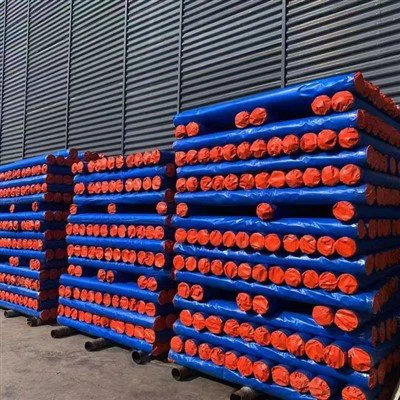
- Optimal Storage Conditions: Store cement valve bags in a dry, cool, and well - ventilated area. If possible, use pallets to keep the bags off the ground and protect them from moisture. Also, ensure that the storage area is not exposed to direct sunlight, as this can cause the bag material to degrade.
- Quality Control: As a supplier, we implement strict quality control measures throughout the manufacturing process. We use high - quality raw materials and advanced production techniques to ensure the strength and durability of our Concrete Valve Bag, Wall Putty Valve Bag, and BOPP Valve Bag. By choosing our products, you can minimize the risk of bag damage due to poor quality.
Managing and Repairing Damaged Bags
- Inspection Procedures: Establish a regular inspection process for the bags. This can be done during the packing stage or before loading the bags onto the transportation vehicle. By identifying damaged bags early, you can prevent further issues during transportation and storage.
- Repairing Minor Damage: For minor damage such as small cuts or tears, you can use appropriate repair materials such as adhesive tapes or patches. However, it's important to ensure that the repair does not affect the integrity of the bag's seal and that it can still effectively contain the cement.
- Recycling and Disposal: In cases where the damage is severe and the bag cannot be repaired, proper recycling or disposal is necessary. Recycling damaged bags not only helps to reduce waste but also contributes to environmental sustainability. However, make sure to follow local regulations and guidelines for the recycling and disposal of packaging materials.
Communication and Collaboration
- Communication with Customers: If you discover damaged bags during the delivery process, it's crucial to communicate openly and transparently with your customers. Apologize for the inconvenience and offer to replace the damaged bags promptly. This will help to maintain a good relationship with your customers and enhance their trust in your brand.
- Collaboration with Logistics Partners: Work closely with your logistics partners to improve the handling and transportation processes. Provide them with clear guidelines on how to handle cement valve bags safely and ensure that they are aware of the importance of minimizing damage. By collaborating effectively, you can reduce the incidence of bag damage during transit.
The Impact of Handling Damaged Bags Correctly
Properly handling damaged cement valve bags has several positive impacts on your business. Firstly, it helps to maintain the quality of your cement products. Damaged bags can lead to cement spillage, which not only results in product loss but also affects the cleanliness and safety of the working environment. By preventing and managing bag damage, you can ensure that your cement reaches your customers in perfect condition.
Secondly, it enhances customer satisfaction. Customers expect to receive high - quality products with intact packaging. When you handle damaged bags promptly and effectively, you demonstrate your commitment to quality and customer service. This can lead to increased customer loyalty and positive word - of - mouth recommendations.
Finally, it contributes to cost savings. Repairing or recycling damaged bags is often more cost - effective than replacing them entirely. By reducing the incidence of bag damage and implementing appropriate repair and recycling strategies, you can lower your packaging costs in the long run.
Conclusion
Handling damaged cement valve bags is a multifaceted challenge that requires a combination of prevention, management, and communication strategies. As a cement valve bag supplier, we are committed to providing high - quality products and helping our customers address this issue effectively. Our Concrete Valve Bag, Wall Putty Valve Bag, and BOPP Valve Bag are designed to be durable and reliable, but we also understand that unexpected situations may occur.
If you are facing issues with damaged cement valve bags or are looking for high - quality packaging solutions for your cement products, we invite you to contact us for a detailed discussion. Our team of experts is ready to provide you with professional advice and customized solutions to meet your specific needs. Let's work together to ensure the success of your cement packaging operations.


References
- Packaging Institute of America. (2022). Best Practices for Packaging Cement Products.
- International Cement Review. (2023). Trends in Cement Packaging and Handling.