
Hey there! As a supplier of Type B Big Bags, I often get asked if these bags have a good heat insulation property. Well, let's dive right into it and find out.
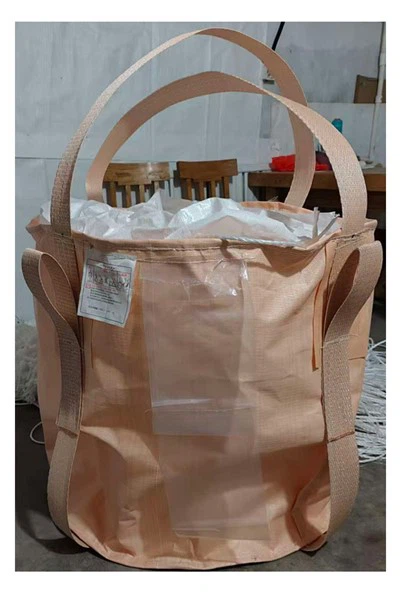
First off, what are Type B Big Bags? These are large - scale industrial bags used for storing and transporting all sorts of goods. From minerals to firewood, they are a versatile option in the market. You can check out our Mineral Big Jumbo Bag and Ventilated Wood Big Bag – For European Firewood to get an idea of the different applications.
Now, let's talk about heat insulation. Heat insulation is all about reducing the transfer of heat between two areas. In the case of Type B Big Bags, whether they have good heat - insulation properties depends on a few factors.
Material Matters
The material used to make the Type B Big Bags plays a huge role. Most of these bags are made from polypropylene, a synthetic plastic polymer. Polypropylene has some natural insulating properties. It's not a great conductor of heat, which means it can slow down the transfer of heat to some extent.
When the bag is made, the thickness of the polypropylene fabric also matters. Thicker fabrics generally offer better heat insulation. A thicker layer of polypropylene creates more resistance to heat flow. For example, if you're storing something that needs to stay cool, like certain chemicals that are sensitive to high temperatures, a Type B Big Bag with a thicker polypropylene wall can help keep the internal temperature more stable.
Design Features
The design of the Type B Big Bag can also impact its heat - insulation ability. Some bags are designed with multiple layers. These multi - layer bags can trap air between the layers. Air is a poor conductor of heat, so having air pockets within the bag's structure acts as an additional insulating barrier.
Also, the way the bag is sealed matters. A well - sealed Type B Big Bag reduces the exchange of air between the inside and the outside. If hot air from the outside can't easily get in, and the cool air inside can't escape, it helps maintain a more consistent temperature inside the bag.
Testing the Heat Insulation
We've done some in - house testing to see how our Type B Big Bags perform in terms of heat insulation. We filled the bags with materials at a specific temperature and then monitored the temperature change over time in different environmental conditions.
In normal ambient conditions, we found that the bags were able to keep the internal temperature relatively stable for a few hours. For example, if we filled a bag with a material at 20°C and the outside temperature was 30°C, the internal temperature only rose by about 2 - 3°C over a 3 - hour period.
However, in extreme conditions, like in direct sunlight on a very hot day, the heat - insulation properties were more challenged. The internal temperature did increase more rapidly, but still, the bags did provide some level of insulation compared to having the material exposed directly to the environment.


Comparing with Industry Standards
It's important to compare our Type B Big Bags with the Big Bag Standard. The standard sets some guidelines for various properties of big bags, including heat - related aspects. Our bags meet most of the requirements in terms of heat resistance and insulation.
Compared to some other types of storage solutions, Type B Big Bags offer a decent level of heat insulation at a relatively low cost. They are more cost - effective than some high - end insulated containers, and they are also more flexible in terms of transportation and storage.
Applications and Heat Insulation
Let's look at some common applications and how heat insulation matters.
Mineral Storage
When storing minerals, some minerals can be affected by temperature changes. For example, certain salts can absorb moisture if the temperature is too high, which can change their chemical properties. Our Type B Big Bags, with their heat - insulation properties, can help keep the minerals in a more stable environment. This ensures that the quality of the minerals remains intact during storage and transportation.
Firewood Storage
In the case of firewood, heat insulation might not seem as crucial at first glance. But in a humid environment, if the firewood gets too warm, it can start to rot or develop mold. Our Ventilated Wood Big Bag – For European Firewood is designed to provide some heat insulation while also allowing for proper ventilation. This combination helps keep the firewood dry and in good condition.
Limitations
Of course, Type B Big Bags aren't perfect when it comes to heat insulation. They are not as effective as specialized insulated containers. If you need to store something that requires extremely precise temperature control, like some medical supplies or high - tech components, you might need to look for other options.
Also, over a long period of time, the heat - insulation properties can degrade. Factors like exposure to sunlight, wear and tear, and chemical reactions can all affect the bag's ability to insulate heat.
Conclusion
So, do Type B Big Bags have a good heat - insulation property? Well, they do offer a certain level of heat insulation, especially considering their cost and versatility. The material, design, and testing all show that they can keep the internal temperature relatively stable in normal to moderately extreme conditions.
If you're in the market for big bags and heat insulation is one of your concerns, our Type B Big Bags could be a great option. Whether you're storing minerals or firewood, they can provide the protection you need.
If you're interested in learning more about our Type B Big Bags or want to discuss a potential purchase, feel free to reach out. We're always happy to talk about how our products can meet your specific needs.
References
- Polypropylene: Properties and Applications. Journal of Plastic Materials.
- Big Bag Standards and Testing Procedures. Industrial Packaging Association.