
Hey there! As a TARPS supplier, I often get asked if tarps can be used to cover a trampoline. Well, the short answer is yes, they can! But there's a bit more to it than just throwing a tarp over your trampoline and calling it a day. In this blog, I'll dive into the ins and outs of using tarps to cover trampolines, the types of tarps that work best, and some tips to make sure you get the most out of your tarp.
Why Cover a Trampoline with a Tarp?
First off, let's talk about why you'd want to cover your trampoline in the first place. Trampolines are a great addition to any backyard, providing hours of fun for kids and adults alike. But they're also exposed to the elements, which can take a toll on their lifespan. Sun, rain, snow, and even debris can damage the trampoline's fabric, springs, and frame over time.
A tarp acts as a protective shield, keeping your trampoline safe from the elements. It can prevent UV rays from fading the fabric, stop rainwater from pooling and causing mold or mildew, and keep leaves, twigs, and other debris from accumulating on the surface. By covering your trampoline with a tarp, you can extend its lifespan and save money in the long run by avoiding costly repairs or replacements.
Can Any Tarp Be Used?
Not all tarps are created equal, and when it comes to covering a trampoline, you'll want to choose the right one. There are a few factors to consider when selecting a tarp, such as size, material, and durability.
Size
The first thing you'll need to do is measure your trampoline. You'll want to choose a tarp that is slightly larger than the trampoline to ensure full coverage. A good rule of thumb is to add at least a few feet to each side of the trampoline's diameter. This will allow the tarp to drape over the edges and provide adequate protection.
Material
There are several types of tarp materials available, each with its own pros and cons. Some of the most common materials used for trampoline covers include polyethylene, vinyl, and canvas.
- Polyethylene Tarps: These are the most affordable option and are widely available. They're lightweight, waterproof, and resistant to UV rays. However, they're not as durable as some of the other materials and may tear or puncture more easily.
- Vinyl Tarps: Vinyl tarps are more expensive than polyethylene tarps but are also more durable. They're waterproof, resistant to UV rays, and can withstand harsh weather conditions. They're also less likely to tear or puncture, making them a good choice for long-term use.
- Canvas Tarps: Canvas tarps are made from natural fibers and are known for their breathability. They're less likely to trap moisture, which can help prevent mold and mildew. However, they're not as waterproof as polyethylene or vinyl tarps and may require additional treatment to make them water-resistant.
Durability
When choosing a tarp, you'll want to consider its durability. Look for a tarp that is made from high-quality materials and has reinforced edges and corners. This will help prevent the tarp from tearing or fraying over time. You may also want to consider a tarp that is treated with a UV inhibitor to protect it from the sun's rays.
Types of Tarps for Trampolines
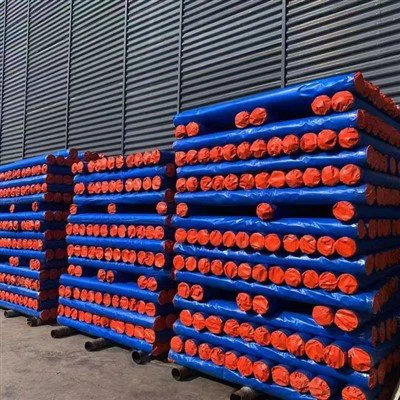
As a TARPS supplier, I recommend two types of tarps for covering trampolines: Heavy Grade Tarpaulins and Waterproof Tarpaulin.


Heavy Grade Tarpaulins
Heavy grade tarpaulins are made from thick, durable materials that can withstand harsh weather conditions. They're ideal for protecting your trampoline from heavy rain, snow, and strong winds. These tarps are often reinforced with double-stitched seams and metal grommets, which make them more resistant to tearing and puncturing.
Waterproof Tarpaulin
Waterproof tarpaulins are designed to keep water out, making them a great choice for protecting your trampoline from rain and snow. They're typically made from polyethylene or vinyl and are coated with a waterproof layer to prevent water from seeping through. Waterproof tarps are also resistant to UV rays, which can help prevent the fabric from fading over time.
Tips for Using a Tarp to Cover a Trampoline
Once you've chosen the right tarp for your trampoline, it's important to use it correctly to ensure maximum protection. Here are some tips to help you get the most out of your tarp:
- Clean the Trampoline: Before covering your trampoline with a tarp, make sure it's clean and dry. Remove any debris, such as leaves, twigs, or dirt, from the surface of the trampoline. This will help prevent mold and mildew from forming under the tarp.
- Secure the Tarp: Use ropes, bungee cords, or clips to secure the tarp to the trampoline. Make sure the tarp is tightly secured to prevent it from blowing off in strong winds. You may also want to consider using weights or sandbags to hold the tarp in place.
- Check the Tarp Regularly: Periodically check the tarp for any signs of damage, such as tears, holes, or fraying. If you notice any damage, repair or replace the tarp as soon as possible to ensure continued protection.
- Remove the Tarp During Use: Always remove the tarp before using the trampoline. This will prevent the tarp from getting caught in the springs or causing a safety hazard.
Conclusion
In conclusion, tarps can be a great way to protect your trampoline from the elements. By choosing the right tarp and using it correctly, you can extend the lifespan of your trampoline and save money in the long run. As a TARPS supplier, I offer a wide range of high-quality tarps that are perfect for covering trampolines. If you're interested in learning more about our products or have any questions, please don't hesitate to contact us for a free consultation. We'd be happy to help you find the right tarp for your needs.
References
- "Trampoline Covers: How to Choose the Right One." The Spruce, 2023.
- "Tarps 101: A Guide to Choosing the Right Tarp." Home Depot, 2023.